Soft and Buttery Challah Bread
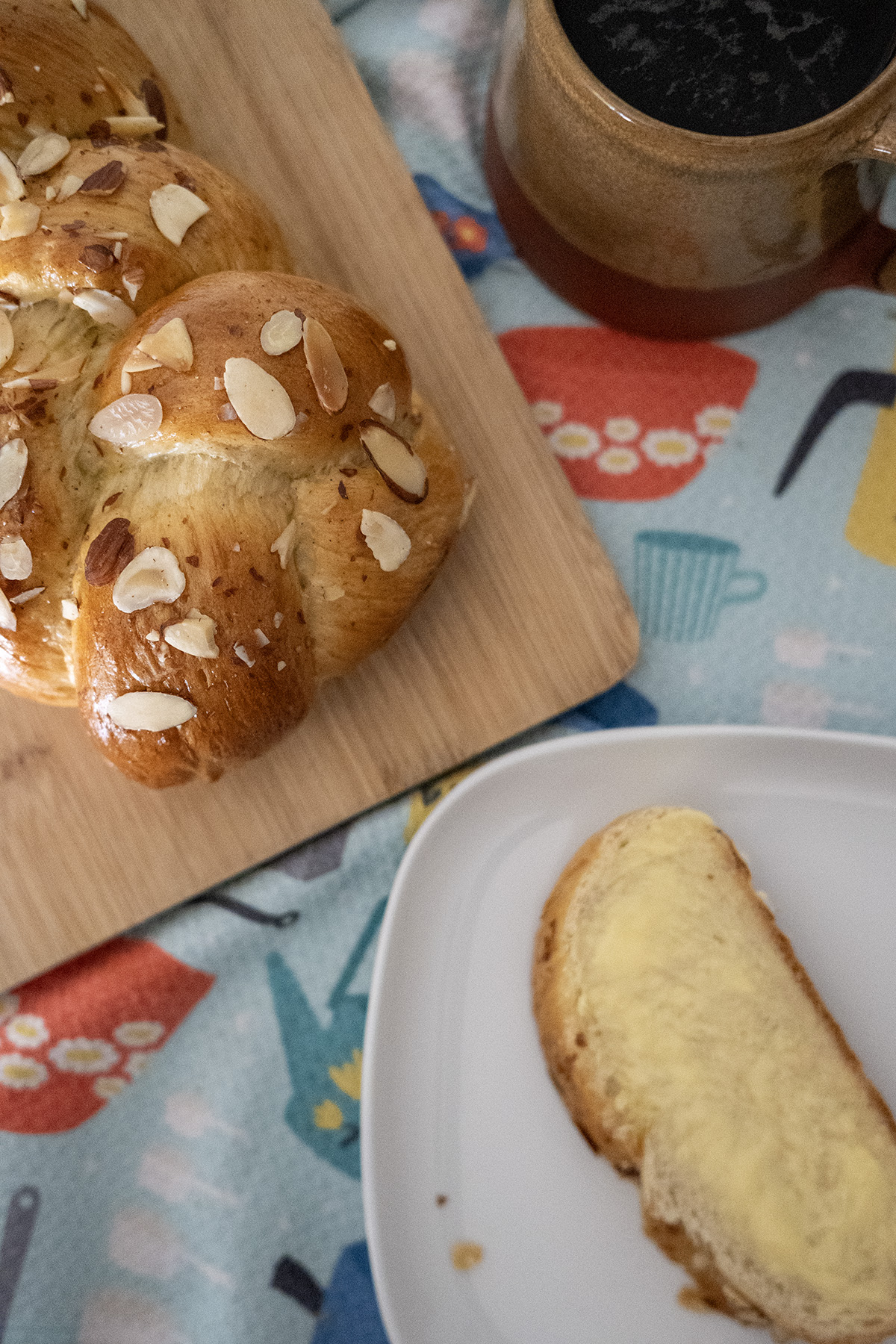
Welcome, bakers! Today, I’m sharing a recipe that’s close to my heart: a buttery challah bread that’s soft, rich, and perfect for any occasion. Whether you’re tearing into it fresh from the oven, slathering it with butter, or transforming it into the ultimate French toast, this challah is a showstopper. With a glossy, golden crust and a tender, slightly sweet crumb, it’s a recipe you’ll return to again and again. Plus, it’s beginner-friendly with precise weights for foolproof results. Let’s dive into this delightful bake, complete with tips, tricks, and a step-by-step guide to create a gorgeous 3-strand braided loaf!

My love for challah started with a loaf from the same friend who gave me her authentic French chocolate mousse recipe. She baked, I tasted, and I’ve been obsessed ever since!
Why You’ll Love This Challah Recipe
- Rich, Buttery Flavor: Melted butter gives this challah a luxurious taste that sets it apart from traditional recipes.
- Perfect Texture: The dough yields a soft, fluffy interior with a golden, slightly crisp crust.
- Precise Measurements: Weights in grams ensure consistent results every time.
- Versatile: Enjoy it fresh, toasted, or as a base for sandwiches, French toast, or even bread pudding.
- Beginner-Friendly: With detailed instructions and tips, this recipe is approachable for all skill levels.
My two loaves (with a classic 3-strand braid) are perfect after just 25 minutes in the oven. I can’t wait for you to try it!

What Is Challah?
Challah is a traditional Jewish braided bread, often enjoyed during holidays and Shabbat. It’s typically enriched with eggs and oil, but in this version, we’re using salted butter for an extra layer of richness. The dough is slightly sweet, thanks to a touch of sugar, and the result is a versatile loaf that’s as beautiful as it is delicious. The 3-strand braid gives it that iconic look, but don’t worry—I’ll share tips to make braiding a breeze!


Challah Bread Baking Tips
- Use a Scale: Weighing ingredients (especially flour) ensures accuracy. Too much flour can make the dough dense.
- Butter Temperature: Make sure the melted butter is cooled to avoid cooking the eggs or affecting the yeast.
- Braiding Help: New to braiding? Think of the 3-strand braid like a simple hair braid: left over middle, right over middle, repeat. Practice makes perfect!
- Yeast Swap: If using active dry yeast, increase to 9 g (2¾ tsp) and extend the first rise by 15–30 minutes.
- Variation Ideas: Add 50 g raisins or 30 g honey for a sweeter loaf. Adjust flour or water slightly if needed.
- Doneness Check: An instant-read thermometer is the best way to confirm the bread is fully baked.


Serving Suggestions
This buttery challah is versatile and shines in so many ways:
- Fresh: Tear off a piece and slather with butter or jam.
- French Toast: The rich dough makes incredible French toast—try it with a sprinkle of cinnamon!
- Sandwiches: Use thick slices for deli-style sandwiches.
- Bread Pudding: Turn leftovers into a decadent dessert.


Final Thoughts
I hope you love this buttery challah as much as we do! I’d love to hear what you think in the comments below.

Happy baking!
Buttery Challah Bread
Print Recipe
equipment (affiliate links
- stand mixer with dough hook
- kitchen scale preferred for best accuracy
Ingredients
- 4 ¾ c. (600 g) unbleached all-purpose flour (RECOMMEND WEIGHING) spooned & leveled
- 1 c. (240 g) warm water 110-130°F (for instant yeast) or 90-110°F (for active dry yeast)
- ¼ c. (60 g) granulated sugar
- 2 ¼ tsp instant yeast or active dry – but must proof 1st
- 1 ½ tsp salt
- 2 large eggs
- 6 tbsp (85 g) salted butter melted & cooled
Topping
- 1 large egg
- 1 tbsp water
- 1-1 ½ tbsp sesame or poppy seeds optional, for topping
Instructions
- Activate Yeast (Optional): In a small bowl, combine warm water and a pinch of sugar. Stir in instant yeast and let sit for 5 minutes until slightly foamy. (Note: Instant yeast can be mixed directly with flour, but this step confirms its still active. If adding yeast directly to the flour – be sure your water is in the 110-130°F range.)2 ¼ tsp instant yeast1 c. (240 g) warm water
- Mix Dough: In a stand mixer with a dough hook (or large bowl), combine flour, sugar, and salt. Add proofed yeast mixture, eggs, and melted, cooled butter. Mix on low speed for 2–3 minutes (or by hand with a wooden spoon) until a shaggy dough forms.4 ¾ c. (600 g) unbleached all-purpose flour (RECOMMEND WEIGHING)¼ c. (60 g) granulated sugar1 ½ tsp salt2 large eggs6 tbsp (85 g) salted butter
- Knead Dough: Knead on medium-low speed for 6-8 minutes (or by hand for 8-10 minutes) until smooth, elastic, and slightly tacky. If too sticky, add flour 1 tbsp at a time (up to 30g total).
- First Rise: Form dough into a ball, place in a lightly oiled bowl, and cover and let rise in a warm place for 1–1½ hours, until doubled.
- Shape Loaves: Punch down dough. Divide into two pieces for two loaves. For each loaf, divide into 3 equal pieces. Roll into 12–14-inch ropes, tapering ends. Braid tightly, pinching ends to seal and tucking under. If the braid is too long or stretched, gently scrunch it from both ends to shorten and thicken it, ensuring each one fits on a lined baking sheet. Leave 3 inches between loaves if baking on the same sheet.
- Second Rise: Cover loosely and let rise for 45–60 minutes, until puffy and nearly doubled. You can use a finger poke to ensure the risen braid does not quickly spring back. If it springs back right away – allow it to rise a little longer.
- Preheat Oven: During the last 30 minutes of the second rise, preheat oven to 350°F (175°C) with a rack in the middle.
- Egg Wash and Bake: Whisk egg with water for egg wash. Brush gently over risen loaves. Sprinkle with sesame or poppy seeds, if using. Bake for 25 minutes, until golden and internal temperature reaches 190–200°F (88–93°C). Tent with foil if browning too quickly.1 large egg1-1 ½ tbsp sesame or poppy seeds
- Cool: Transfer to a wire rack and cool for 1 hour before slicing.
Notes
- Two-Day Baking Option: After the second rise, wrap one shaped braid loosely in plastic wrap and refrigerate overnight (up to 24 hours). The next day, let it sit at room temperature for 30–45 minutes, egg wash, and bake as directed. This gives you ultra-fresh challah two days in a row with minimal extra effort.
- Baking Tip: Check baking at 25 minutes, as ovens vary, and use an instant-read thermometer for accuracy (190–200°F).
- Braiding Tip: If your 3-strand braid looks too long or thin, gently scrunch the loaf from both ends after braiding to make it more compact and substantial. This also helps it fit nicely on a standard baking sheet!
- Yeast Swap: Use 2 ¾ tsp. active dry yeast instead of instant, extending the first rise by 15–30 minutes.
- Flour Variation: For a chewier texture, substitute 100 g (¾ cup) all-purpose flour with bread flour.
- Storage: Store in an airtight container at room temperature for up to 3 days or freeze for 1 month, wrapped tightly in plastic wrap.
- Pro Tip: Weigh ingredients with a kitchen scale for the best results. Flour volume can vary, and precision makes a difference!
As an Amazon Associate, I earn from qualifying purchases at no extra cost to you. Thank you for your support!